Crop disease resistance research asks why some plants restrict infection while others become susceptible. Plant transcriptomics helps identify defense-response genes, immune signaling pathways, transcription factors, and hormone-related regulation after pathogen attack. Metabolomics adds the biochemical layer by showing which defense-related compounds and plant hormones change during infection or treatment. With MetwareBio’s current plant transcriptomics promotion at $99/sample, researchers can start with RNA-seq to screen defense pathways and add metabolomics when deeper interpretation is needed. This article focuses on plant-pathogen defense, nematode infection, powdery mildew resistance, hormone signaling, and defense metabolites. For research on root navigation, soil chemical gradients, and root-microbe-soil communication, see our related article on plant metabolomics and root navigation in complex soil environments.
Why Crop Disease Resistance Needs Multi-Omics
Disease resistance is not only a visible phenotype. A resistant plant may limit pathogen entry, activate immune signaling earlier, reinforce cell walls, accumulate antimicrobial or antioxidant compounds, shift hormone pathways, or respond more strongly to beneficial microbes. A susceptible plant may show similar early symptoms, but its molecular response can be delayed, weaker, or metabolically different.
RNA-seq captures the regulatory layer: which genes, transcription factors, and pathways are activated after infection. Metabolomics captures the biochemical layer: which flavonoids, phenylpropanoids, phytoalexins, antioxidants, hormones, or other metabolites accumulate during defense. Used together, these layers can connect defense signaling with defensive chemistry.
This distinction matters for practical plant pathology research. A disease phenotype can tell researchers that resistance exists. Transcriptomics and metabolomics help explain how resistance is regulated and what biochemical outputs may contribute to protection.
Plant Disease Resistance Is a Time-Course Response
Plant-pathogen interaction is dynamic. Early infection often involves recognition, calcium and ROS signaling, transcription factor activation, and hormone pathway changes. Middle-stage responses may include pathogenesis-related proteins, antimicrobial pathways, cell wall reinforcement, and phenylpropanoid metabolism. Later stages show the visible outcome: lesion expansion, pathogen restriction, gall formation, tissue collapse, or recovery.
This is why disease studies often require thoughtful time points. A single endpoint can capture the final phenotype but miss the regulatory events that caused resistance or susceptibility. RNA-seq is especially useful at early and middle stages, while metabolomics can help interpret downstream defense compounds and hormone-related changes.
For projects comparing resistant and susceptible cultivars, treatment and non-treatment groups, or infected and non-infected tissues, time-course design can make the difference between a descriptive result and a mechanistic interpretation.
Defense Signaling: JA, SA, ET, ROS, and Cell Wall Pathways
Many crop disease studies focus on jasmonic acid (JA), salicylic acid (SA), ethylene (ET), abscisic acid (ABA), reactive oxygen species (ROS), and cell wall-related pathways. These systems do not act independently. Depending on the pathogen lifestyle, tissue, cultivar, and infection stage, hormone pathways can cooperate or antagonize one another.
RNA-seq can identify hormone-related genes, WRKY/MYB/NAC/ERF transcription factors, pathogenesis-related genes, ROS-related enzymes, lignin and cell wall genes, and defense-related transporters. Plant hormone profiling can then test whether the transcriptomic signal corresponds to measurable shifts in JA, SA, ABA, or related hormone metabolites.
This is especially valuable when a project has a clear biological hypothesis, such as JA-mediated defense in fruit, SA-related resistance in leaves, or treatment-induced immunity after microbial or plant protection application.
Defense Metabolites: From Flavonoids to Phenylpropanoids
Plant defense is not driven by gene expression alone. Many resistance responses depend on biochemical changes that help inhibit pathogens, reinforce tissue barriers, regulate oxidative stress, or activate hormone-mediated signaling. Flavonoids, phenylpropanoids, phytoalexins, lignin precursors, antioxidants, organic acids, and defense-related plant hormones are commonly examined in crop disease resistance studies.
Metabolomics is especially useful when RNA-seq points to defense pathways but the study still needs compound-level evidence. For example, if transcriptomic data suggest activation of flavonoid biosynthesis, phenylpropanoid metabolism, jasmonic acid signaling, or salicylic acid signaling, metabolomics or plant hormone profiling can test whether the corresponding metabolites actually change during infection, treatment, or resistant–susceptible comparison.
The table below summarizes common plant defense questions and the metabolite readouts that can help connect transcriptomic signals with biochemical defense responses.
Table: Common Plant Defense Questions and Metabolite Readouts
| Research question | Key metabolites or biochemical readouts | Transcriptomic signals to check | Suggested strategy |
|---|---|---|---|
| Why is one cultivar more resistant than another? | Flavonoids, phenylpropanoids, lignin precursors, antioxidants | WRKY, MYB, NAC, PR genes, cell wall-related genes | RNA-seq + widely targeted metabolomics |
| Is powdery mildew resistance related to flavonoids? | Flavones, flavonols, anthocyanins, total flavonoids | CHS, CHI, FNS, FLS, ANS, flavonoid pathway genes | RNA-seq + flavonoid-targeted metabolomics |
| Is jasmonic acid involved in resistance? | JA, JA-Ile, related oxylipins | JAZ, MYC2, LOX, AOS, WRKY genes | RNA-seq + plant hormone profiling |
| Is salicylic acid signaling activated? | SA and SA-related metabolites | PR1, NPR1, TGA, SA-responsive genes | RNA-seq + plant hormone profiling |
| Does infection trigger oxidative stress? | Antioxidants, phenolics, MDA-related oxidative stress indicators | ROS-related genes, POD, SOD, CAT, GST genes | RNA-seq + antioxidant-related metabolomics |
| Does a biocontrol or treatment activate host defense? | Defense metabolites, phenylpropanoids, phytohormones | Defense-response genes and hormone signaling genes | RNA-seq + metabolomics; microbiome if microbial treatment is central |
What RNA-seq and Metabolomics Each Contribute
The table above helps define which biochemical readouts may be relevant to different defense questions. The next step is to interpret RNA-seq and metabolomics as connected layers rather than separate datasets.
RNA-seq is most useful for identifying defense regulation, including transcription factors, immune-response genes, hormone-pathway genes, ROS-related genes, and pathway enrichment. Metabolomics tests whether the biochemical outputs of those pathways actually change during infection, treatment, or resistant–susceptible comparison.
The strongest evidence appears when both layers converge on the same pathway, time point, tissue, or resistance phenotype. For example, if RNA-seq identifies flavonoid biosynthesis genes and metabolomics detects differentially accumulated flavonoids, the defense mechanism becomes more convincing than either dataset alone.
Published Application Examples: Defense Pathways in Real Studies
Case 1: Flavonoids in wheat powdery mildew resistance
Powdery mildew is a strong example of why crop disease resistance should not stop at phenotype observation. In wheat, Xu et al. (2023) used integrated transcriptome and metabolome analysis to investigate resistance to powdery mildew. RNA-seq identified differentially expressed genes and enriched pathways related to flavonoid synthesis, while metabolomics detected differentially accumulated flavonoids after inoculation.
The key insight was that flavonoid biosynthesis was strongly associated with wheat resistance to powdery mildew. RNA-seq pointed to the pathway and candidate genes; metabolomics showed that defense-related flavonoid compounds changed in the resistant context. This is exactly the logic researchers need when they want to move from “this cultivar is resistant” to “this defense pathway may explain resistance.”
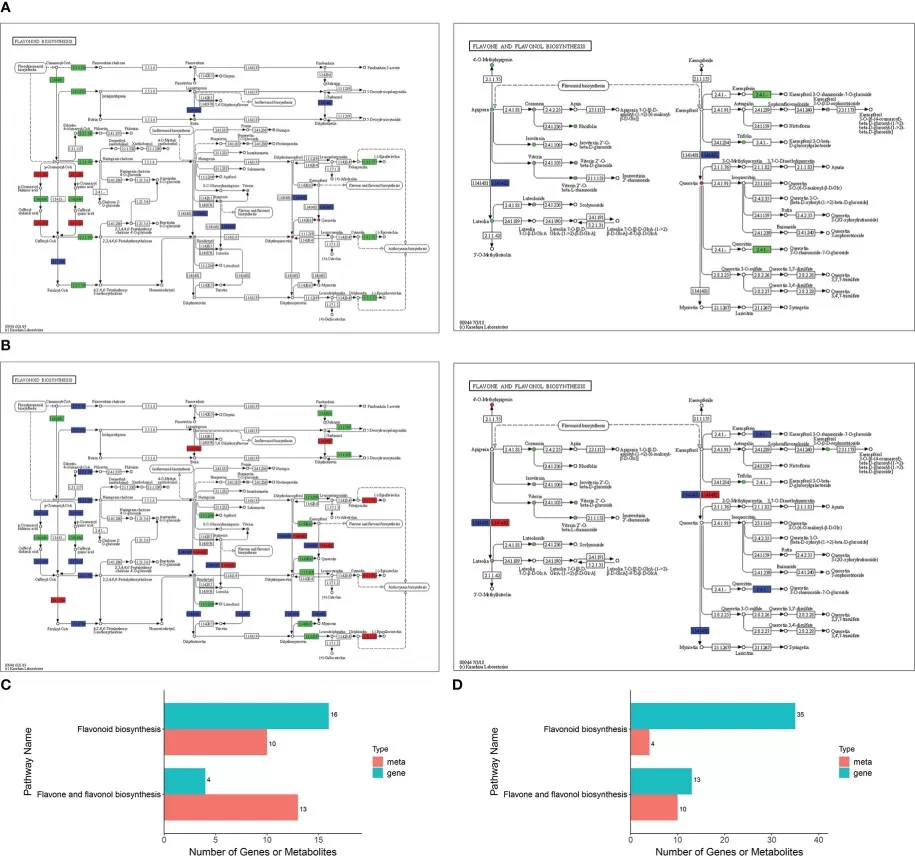
Figure 1. Integrated transcriptome and flavonoid metabolome analysis in wheat powdery mildew resistance. Image adapted from Xu et al. (2023), Frontiers in Plant Science.
Case 2: JA-mediated defense in grape white rot
In grape white rot, Zhang et al. (2023) reported that VvWRKY5 enhances white rot resistance in grape by promoting the jasmonic acid pathway. The study is important because it links a transcription factor with hormone-mediated defense rather than treating resistance as a single-gene phenotype.
For application-focused research, this case shows how transcriptomics, hormone biology, and disease phenotype can be connected. RNA-seq can prioritize candidate transcription factors and defense genes. Plant hormone profiling or targeted metabolomics can then test whether JA, SA, ABA, or related signals support the proposed mechanism.
Case 3: Microbe-assisted resistance against root-knot nematode
The cucumber root-knot nematode study by La et al. (2024) examined how native root-associated bacterial consortia protect susceptible plants against Meloidogyne incognita infection. The study is relevant to disease-resistance research because it connects microbial intervention with host defense responses, anti-nematode activity, and protective outcomes.
For plant disease projects, this case shows that resistance may involve both host response and treatment context. RNA-seq can identify host defense pathways activated during infection or biocontrol treatment, while metabolomics can help identify compounds associated with protection, susceptibility, or microbial intervention.
Case 4: Powdery mildew resistance in tomato
Tomato powdery mildew studies also illustrate the value of combining transcriptomics with widely targeted metabolomics. In a comparative tomato study, transcriptome and metabolome profiling were used to explore molecular mechanisms of powdery mildew resistance (Li et al., 2023). This type of design is relevant for researchers comparing resistant and susceptible cultivars because it can reveal both pathway activation and metabolite-level defense signatures.
For service planning, the key lesson is simple: when disease resistance involves compounds, hormones, or secondary metabolism, RNA-seq alone may be insufficient. Metabolomics provides the biochemical layer needed to judge whether defense pathways translate into measurable metabolites.
How MetwareBio Supports Crop Disease Resistance Research
MetwareBio supports plant disease studies with plant RNA-seq, widely targeted metabolomics, targeted metabolomics, plant hormone profiling, flavonoid and secondary metabolite analysis, and Metware Cloud analysis support.
The current plant transcriptomics promotion at $99/sample can be used as a first layer for screening defense-response genes. When the project involves defense metabolites, flavonoids, phenylpropanoids, phytohormones, or treatment-induced immunity, metabolomics can be added for stronger biological interpretation.
If you are interested in crop disease resistance research, please do not hesitate to contact us.
Selected MetwareBio-Supported Publications in Crop Disease Resistance Research
| Literature title | Year | Sample or species | Disease area |
|---|---|---|---|
| Integrated transcriptome and metabolome analysis reveals that flavonoids function in wheat resistance to powdery mildew | 2023 | Wheat leaves | Powdery mildew resistance / flavonoid defense |
| VvWRKY5 enhances white rot resistance in grape by promoting the jasmonic acid pathway | 2023 | Grape fruit | White rot resistance / JA-mediated defense |
| Protective role of native root-associated bacterial consortium against root-knot nematode infection in susceptible plants | 2024 | Cucumber roots and soil | Root-knot nematode infection / host defense |
| Comparative Transcriptome and Widely Targeted Metabolome Analysis Reveals the Molecular Mechanism of Powdery Mildew Resistance in Tomato | 2023 | Tomato leaves | Powdery mildew resistance |
| The plant protection preparation GZM improves crop immunity, yield, and quality | 2023 | Peanut leaves | Crop immunity / plant protection treatment |
FAQ on Plant Transcriptomics and Metabolomics for Disease Resistance
How does RNA-seq help study crop disease resistance?
RNA-seq helps identify genes and pathways that change after infection or treatment. It can reveal defense-related transcription factors, pathogenesis-related genes, hormone signaling pathways, ROS-related genes, and differences between resistant and susceptible plants.
Why combine transcriptomics and metabolomics in plant immunity studies?
Transcriptomics shows which defense pathways are regulated, while metabolomics shows which defense-related compounds actually change. Combining both layers helps connect immune signaling with flavonoids, phenylpropanoids, phytoalexins, plant hormones, and other biochemical responses.
What metabolites are involved in plant defense?
Plant defense can involve flavonoids, phenylpropanoids, phytoalexins, antioxidants, lignin precursors, organic acids, and plant hormones such as jasmonic acid and salicylic acid. The relevant metabolite class depends on the pathogen, tissue, cultivar, and infection stage.
When should plant disease studies add hormone profiling?
Hormone profiling is useful when the hypothesis involves JA, SA, ABA, ethylene, or hormone crosstalk. It is especially helpful when RNA-seq points to hormone signaling genes but the project needs direct biochemical evidence.
Can metabolomics identify defense compounds against powdery mildew?
Metabolomics can identify metabolite classes associated with powdery mildew resistance, such as flavonoids and phenylpropanoid-related compounds. Candidate compounds should still be validated biologically before they are considered causal defense factors.
Conclusion
Crop disease resistance research becomes more informative when defense regulation and defense chemistry are interpreted together. RNA-seq can reveal immune signaling, transcription factors, and pathogen-responsive genes, while metabolomics can identify flavonoids, phenylpropanoids, hormones, and other defense-related compounds. This combined approach helps researchers move from symptom comparison to pathway-level understanding of plant defense.
Read More: Exploring Plant Defense with Multi-Omics and Metabolomics Tools
These articles cover transcriptomics services, metabolomics strategies, hormone profiling, and multi-omics integration methods that support crop disease resistance and plant defense research.
Start with RNA-seq to identify defense-responsive genes, transcription factors, and immune signaling pathways after pathogen infection. This service covers library preparation, sequencing, and data analysis for plant disease studies.
Learn how proteomics contributes to plant disease resistance research. This article covers protein extraction, differential expression analysis, and how proteomics data complements transcriptomics and metabolomics in defense studies.
Choose the right metabolomics approach for measuring defense-related flavonoids, phenylpropanoids, phytoalexins, and plant hormones. This guide explains when to use targeted, untargeted, or widely-targeted methods.
JA, SA, ethylene, and ABA play critical roles in plant defense signaling. This article covers hormone classification, biosynthesis pathways, and signaling mechanisms relevant to disease resistance research.
Plant proteomics adds protein-level evidence for pathogenesis-related proteins, defense enzymes, and signaling components. This article covers extraction methods optimized for different plant tissues in disease studies.
Understand how multi-omics integration strengthens disease resistance research by connecting gene regulation, protein abundance, metabolite accumulation, and hormone signaling into a unified defense mechanism narrative.
References
- La S, Li J, Ma S, et al. 2024. Protective role of native root-associated bacterial consortium against root-knot nematode infection in susceptible plants. Nature Communications. https://www.nature.com/articles/s41467-024-51073-7
- Xu W, Xu X, Han R, et al. 2023. Integrated transcriptome and metabolome analysis reveals that flavonoids function in wheat resistance to powdery mildew. Frontiers in Plant Science. https://doi.org/10.3389/fpls.2023.1125194
- Zhang Z, Jiang C, Chen C, et al. 2023. VvWRKY5 enhances white rot resistance in grape by promoting the jasmonic acid pathway. Horticulture Research. https://doi.org/10.1093/hr/uhad172
- Li et al. 2023. Comparative Transcriptome and Widely Targeted Metabolome Analysis Reveals the Molecular Mechanism of Powdery Mildew Resistance in Tomato. International Journal of Molecular Sciences. https://doi.org/10.3390/ijms24098236