Glucocorticoids are adrenal cortex-derived steroid hormones that help coordinate stress response, immune regulation, inflammation control, and energy metabolism. In humans, cortisol is the major glucocorticoid and is regulated by the hypothalamic–pituitary–adrenal (HPA) axis. Through glucocorticoid receptor signaling, cortisol modulates inflammatory transcription factors such as NF-κB and AP-1, reduces cytokine production, and supports metabolic adaptation during stress. This article explains how glucocorticoids work in immunity and metabolism, why dysregulated signaling is relevant to disease research, and how LC-MS/MS steroid hormone profiling and multi-omics approaches can support glucocorticoid-related studies.
What Are Glucocorticoids?
- Definition: Glucocorticoids are adrenal cortex–derived steroid hormones that coordinate the body's response to stress by regulating immune function, metabolism, and inflammation.
- Key hormone in humans: cortisol
- Main functions: Stress adaptation, Immune suppression and resolution, Energy mobilization
How Do Glucocorticoids work? (HPA Axis)
Glucocorticoids are synthesized in the adrenal cortex under the control of the hypothalamic-pituitary-adrenal (HPA) axis. This system functions as a hierarchical endocrine network that translates stress signals into hormonal outputs.
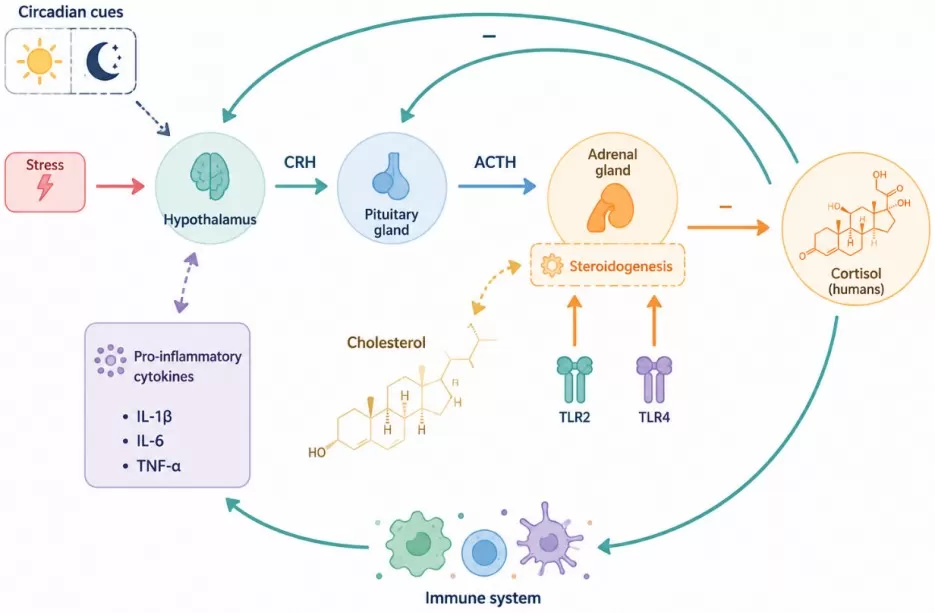
Figure 1. Regulation of glucocorticoid production by the hypothalamic–pituitary–adrenal axis. Image reproduced from Cain DW, Cidlowski JA. Nat Rev Immunol. 2017;17(4):233-247.
HPA Axis Activation and Cortisol Secretion
Stress stimuli—ranging from infection to psychological stress—activate the hypothalamus to release corticotropin-releasing hormone (CRH). CRH stimulates the anterior pituitary gland to secrete adrenocorticotropic hormone (ACTH), which in turn promotes glucocorticoid synthesis in the adrenal cortex.
Cortisol follows a circadian rhythm, typically peaking in the early morning and declining throughout the day. This rhythmic secretion supports metabolic readiness and energy mobilization.
Glucocorticoid Receptors and Signal Transduction
Glucocorticoids exert their effects through intracellular glucocorticoid receptors (GRs), which function as ligand-activated transcription factors. Upon hormone binding, GR complexes translocate to the nucleus and regulate gene expression by interacting with glucocorticoid response elements (GREs).
This transcriptional regulation enables broad physiological effects, including modulation of inflammatory gene networks, metabolic enzymes, and cellular stress-response pathways.
How Do Glucocorticoids Suppress Inflammation?
One of the most critical functions of glucocorticoids is the modulation of immune responses. These hormones act as potent immunoregulatory agents, balancing pro-inflammatory and anti-inflammatory signaling. Glucocorticoids suppress immune activation through multiple molecular pathways:
1. Inhibition of pro-inflammatory transcription factors such as NF-κB and AP-1
NF-κB and AP-1 are master regulators of inflammatory gene expression. NF-κB primarily controls cytokine production and innate immune activation, while AP-1 integrates stress-activated MAPK signals to regulate genes involved in inflammation, proliferation, and tissue remodeling.
Molecular mechanisms of repression
Activated glucocorticoid receptor (GR) suppresses NF-κB and AP-1 through multiple non-mutually exclusive mechanisms:
- Protein–protein interaction (tethering mechanism): GR directly interacts with NF-κB p65 (RelA) and c-Jun, inhibiting their ability to bind DNA and recruit transcriptional machinery.
- Competition for transcriptional coactivators: NF-κB and AP-1 require CBP/p300 for full transcriptional activation. GR sequesters these coactivators, reducing inflammatory gene transcriptional output.
- Chromatin remodeling via HDAC2 recruitment: GR enhances histone deacetylase 2 (HDAC2) activity, leading to chromatin condensation and reduced accessibility of inflammatory gene promoters.
These mechanisms collectively suppress inflammatory transcriptional programs in macrophages, dendritic cells, and endothelial cells, forming the basis of glucocorticoid anti-inflammatory efficacy (Cain & Cidlowski, 2017).
2. Downregulation of cytokines including IL-1, IL-6, and TNF-α
A central consequence of NF-κB/AP-1 inhibition is the broad suppression of pro-inflammatory cytokines, particularly IL-1β, IL-6, and TNF-α, which form a self-amplifying inflammatory network.
Transcriptional suppression
Glucocorticoids reduce cytokine expression primarily by:
- Blocking NF-κB/AP-1-dependent transcription at promoter regions
- Inhibiting enhancer activation required for cytokine gene expression
- Disrupting feed-forward inflammatory loops mediated by cytokine signaling
Post-transcriptional regulation
In addition to transcriptional control, glucocorticoids:
- Reduce mRNA stability of cytokines by modulating AU-rich element–binding proteins
- Induce anti-inflammatory microRNAs that further suppress cytokine translation
- Interfere with IL-6 amplification circuits involving STAT3 signaling
This multilayered regulation explains why glucocorticoids simultaneously suppress multiple cytokines rather than targeting a single inflammatory mediator
3. Suppression of antigen presentation and leukocyte recruitment
Beyond cytokine inhibition, glucocorticoids strongly regulate adaptive immune activation by suppressing antigen presentation and leukocyte trafficking.
Antigen presentation
Glucocorticoids impair antigen presentation through:
- Downregulation of CIITA (class II transactivator), reducing MHC class II expression
- Decreased expression of co-stimulatory molecules (CD80, CD86, CD40)
- Inhibition of dendritic cell maturation and IL-12 production
These effects collectively reduce T cell priming and shift immune responses toward a less inflammatory state.
Leukocyte recruitment
Glucocorticoids inhibit leukocyte infiltration into inflamed tissues by:
- Suppressing chemokines such as CCL2 (MCP-1), CXCL8 (IL-8), and CCL5 (RANTES)
- Reducing endothelial adhesion molecules (ICAM-1, VCAM-1, E-selectin)
- Stabilizing endothelial barrier integrity and reducing vascular permeability
This leads to reduced leukocyte rolling, adhesion, and transmigration into inflamed tissues (Cain & Cidlowski, 2017; Ramamoorthy & Cidlowski, 2013).
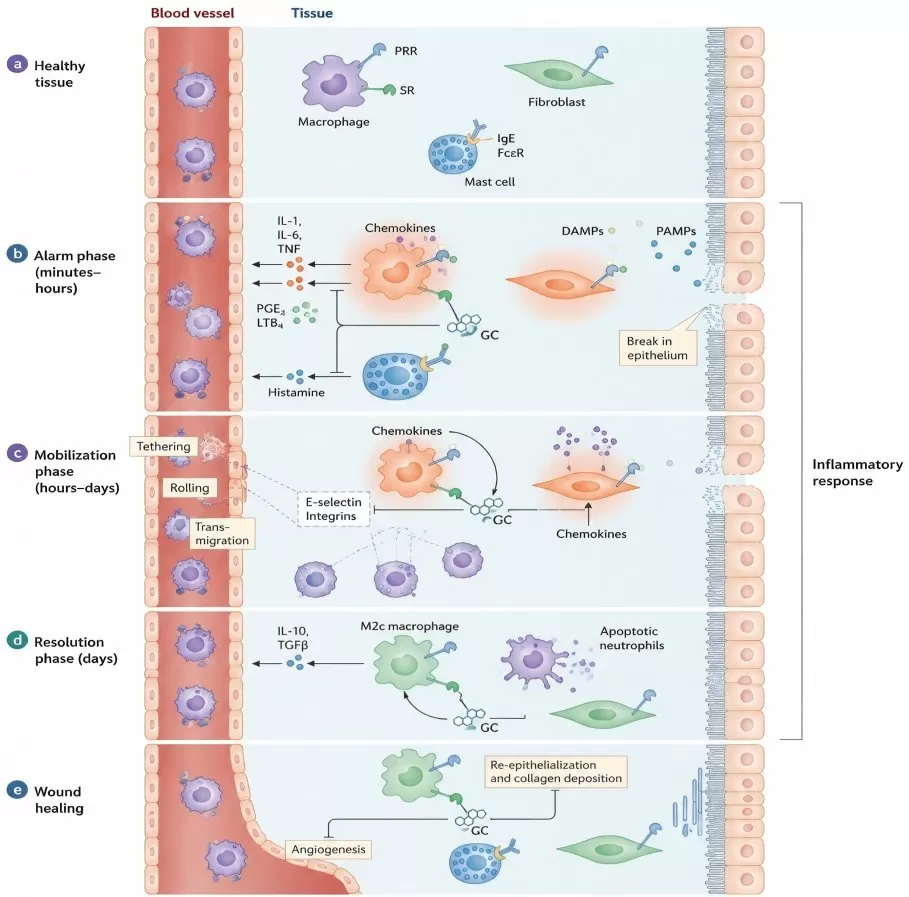
Figure 2. Effects of glucocorticoids on inflammation. Image reproduced from Cain DW, Cidlowski JA. Nat Rev Immunol. 2017;17(4):233-247.
Impact on Innate and Adaptive Immunity
Glucocorticoids regulate immune responses in a dose-, timing-, and cell-type-dependent manner. At pharmacological or sustained high levels, they generally suppress excessive inflammatory signaling, whereas endogenous glucocorticoids can also shape immune readiness and resolution depending on context.
1. Effects on innate immune cells
- In macrophages, glucocorticoids suppress activation by inhibiting TLR-induced NF-κB and AP-1 signaling pathways
- This leads to reduced production of key pro-inflammatory cytokines, including TNF-α, IL-1β, and IL-6
- Reduce migration to inflamed tissues by downregulating adhesion molecules (e.g., ICAM-1, selectins)
- Inhibit chemotactic signaling such as CXCL8 (IL-8)
- While circulating neutrophil counts may increase due to demargination, functional tissue infiltration is significantly reduced
These effects collectively dampen innate immune-driven inflammation. (Cain & Cidlowski, 2017; Barnes, 2011; Li& Cummins, 2022)
2. Effects on adaptive immune cells
- In T cells, glucocorticoids suppress activation and proliferation by interfering with T-cell receptor (TCR) signaling
- A key mechanism is the reduction of IL-2 transcription, which is essential for T-cell clonal expansion
- Downregulation of NF-κB and AP-1 further contributes to reduced cytokine gene expression
- Functional outcomes include:
- Reduced Th1 and Th17 differentiation
- Decreased production of IFN-γ and other effector cytokines
- Overall suppression of cell-mediated immune responses
3. Clinical relevance and pathological consequences
Therapeutic applications:
- Widely used in autoimmune diseases (e.g., rheumatoid arthritis, systemic lupus erythematosus)
- Prevent organ transplant rejection by suppressing T-cell–mediated immune responses
- Effective in multiple inflammatory and allergic disorders
Adverse effects of chronic exposure:
- Increased susceptibility to bacterial, viral, and opportunistic infections
- Impaired innate immune activation and reduced adaptive immune surveillance
- Higher infection risk due to long-term immune suppression
This dual effect reflects the balance between therapeutic immunosuppression and host defense impairment (Cain & Cidlowski, 2017; Barnes, 2011).
Immune Homeostasis and Feedback Regulation
Glucocorticoids also participate in immune homeostasis by forming a feedback loop with cytokine signaling. Inflammatory cytokines can activate the HPA axis, increasing cortisol production, which then suppresses further cytokine release. This feedback loop prevents uncontrolled immune activation.
Glucocorticoids in Metabolism
Beyond immune regulation, glucocorticoids are central regulators of energy metabolism. They coordinate glucose, lipid, and protein metabolism to ensure energy availability during stress.
Glucose Metabolism and Insulin Interaction
Glucocorticoids stimulate gluconeogenesis in the liver by upregulating enzymes such as phosphoenolpyruvate carboxykinase (PEPCK). This increases endogenous glucose production.
At the same time, they reduce peripheral glucose uptake by antagonizing insulin signaling in muscle and adipose tissue. This dual action ensures glucose availability for essential organs, particularly the brain.
Chronic elevation of glucocorticoids can contribute to insulin resistance and hyperglycemia, linking stress physiology to metabolic disorders.
Lipid Metabolism and Fat Redistribution
Glucocorticoids influence lipid metabolism by promoting lipolysis in peripheral adipose tissue while enhancing lipid accumulation in central fat depots. This redistribution is associated with visceral adiposity observed in chronic stress conditions or Cushing's syndrome.
The metabolic shift supports energy mobilization but may contribute to long-term cardiometabolic risk when sustained.
Protein Catabolism and Energy Mobilization
Protein breakdown in skeletal muscle is another key metabolic effect of glucocorticoids. Amino acids released from proteolysis serve as substrates for hepatic gluconeogenesis. While adaptive in acute stress, prolonged catabolism can lead to muscle wasting and reduced physiological resilience.
Glucocorticoid Signaling in Stress Adaptation
Glucocorticoids are key mediators of the systemic stress response, integrating neural, endocrine, and immune systems to maintain homeostasis under stress.
Acute vs. chronic stress
In acute stress, glucocorticoids promote rapid energy mobilization and transient immune modulation, which is adaptive and tightly regulated. In contrast, chronic stress leads to sustained exposure, resulting in metabolic dysregulation, immune suppression, and increased risk of inflammatory diseases.
Tissue-specific sensitivity
Glucocorticoid effects vary across tissues due to differences in receptor expression and local metabolism by enzymes such as 11β-hydroxysteroid dehydrogenase (11β-HSD), enabling organ-specific responses.
Clinical implications
Dysregulated glucocorticoid signaling is associated with multiple disorders:
- Cushing's syndrome (hypercortisolism): central obesity, muscle wasting, hypertension, and immune suppression.
- Addison's disease (hypocortisolism): fatigue, weight loss, hypotension, and reduced stress tolerance.
- Chronic inflammatory and metabolic diseases: including rheumatoid arthritis, metabolic syndrome, and type 2 diabetes, driven by HPA axis imbalance and immune–metabolic dysregulation.
Disease Contexts: Inflammation, Infection, and Metabolic Disorders
Glucocorticoid signaling is clinically relevant not only as a therapeutic axis but also as a biomarker-informed regulatory system underlying immune dysregulation, metabolic imbalance, and chronic inflammation. From a translational perspective, glucocorticoid-associated pathways are frequently disrupted in disease states, making them important targets for both mechanistic research and biomarker discovery.
1. Autoimmune and chronic inflammatory diseases: uncontrolled immune activation
One of the most common pathological contexts associated with glucocorticoid signaling is autoimmune and chronic inflammatory disease, including rheumatoid arthritis, systemic lupus erythematosus, and inflammatory bowel disease.
Biological problem
- Persistent activation of NF-κB and AP-1-driven transcription programs
- Excessive production of IL-1β, IL-6, and TNF-α
- Hyperactivation of macrophages and effector T cells
- Breakdown of immune tolerance and sustained tissue inflammation
Multi-omics readouts for investigation (MetwareBio-compatible)
These pathological states can be systematically profiled using integrated omics approaches:
- Transcriptomics (RNA-seq): inflammatory gene signatures (e.g., IL1B, TNF, NFKBIA, JUN)
- Proteomics: cytokine abundance and immune signaling protein networks
- Metabolomics: shifts in tryptophan-kynurenine pathway and energy metabolism linked to immune activation
- Lipidomics: eicosanoid-mediated inflammatory signaling (prostaglandins, leukotrienes)
2. Transplantation immunology: alloimmune rejection
In organ transplantation, immune rejection is driven by T-cell–mediated recognition of alloantigens and subsequent inflammatory amplification.
Biological problem
- Activation of antigen-presenting cells (APCs)
- Upregulation of MHC class II and co-stimulatory molecules (CD80/CD86)
- Expansion of effector T-cell populations
- Cytokine-driven graft inflammation and tissue damage
Multi-omics detection strategy
- Proteomics: monitoring immune activation markers (HLA proteins, CD markers, complement components)
- Transcriptomics: T-cell activation signatures (IL2, IFNG, TBX21, GZMB)
- Single-pathway profiling: NF-κB and JAK/STAT activation states in graft tissue
- Spatial or tissue-specific omics (if available): immune infiltration mapping in graft microenvironment
3. Chronic infection and immunosuppression risk: immune surveillance failure
While glucocorticoid signaling suppresses excessive inflammation, prolonged or dysregulated exposure contributes to impaired immune defense.
Biological problem
- Reduced macrophage and neutrophil antimicrobial activity
- Suppressed T-cell proliferation and cytokine production
- Impaired antigen presentation and immune memory formation
- Increased susceptibility to bacterial, viral, and opportunistic infections
Multi-omics detection strategies
- Metabolomics: immune-metabolic reprogramming (glucose utilization, amino acid depletion, oxidative stress markers)
- Proteomics: reduced cytokine signaling networks and complement activity
- Transcriptomics: suppression of interferon-stimulated genes (ISGs) and antigen presentation pathways
- Microbiome-associated omics (optional integration): host–microbiota immune interaction changes under immunosuppression
4. Endocrine-metabolic inflammation axis disorders: system-level dysregulation
Glucocorticoid signaling is tightly linked to metabolic regulation; chronic dysregulation contributes to insulin resistance, obesity, and metabolic syndrome.
Biological problem
- Excessive gluconeogenesis and insulin resistance
- Adipose tissue redistribution and chronic low-grade inflammation
- Crosstalk between metabolic and immune signaling pathways
- Persistent activation of stress-response transcriptional programs
Multi-omics integration
- Metabolomics: glucose, lipid intermediates, and amino acid metabolism profiling
- Lipidomics: adipokine-associated lipid signaling networks
- Transcriptomics: metabolic-inflammatory gene coupling (PPARG, IRS1, SOCS3)
- Proteomics: insulin signaling pathway disruption markers
How to Study Glucocorticoid Biology with LC-MS/MS and Multi-Omics
Glucocorticoids such as cortisol show strong circadian rhythms, so accurate time-matched sampling is essential to reduce biological variation. Researchers should collect plasma, serum, or tissue samples at consistent diurnal time points across cohorts.
Due to their low abundance and structural complexity, steroid hormones require highly sensitive and specific analytical methods. Targeted LC-MS/MS enables precise absolute quantification, and when combined with untargeted metabolomics, lipidomics, and proteomics, it allows comprehensive profiling of immune–metabolic remodeling and robust biomarker discovery.
Table 1. Integrated Mass Spectrometry Solutions for Glucocorticoid and Stress-Induced Signaling Pathologies
| Research Question | Recommended Readouts | Service-Relevant Angle |
|---|---|---|
| HPA axis / stress hormone activity | Cortisol, corticosterone, steroid hormone panel | Targeted steroid hormone profiling by LC-MS/MS |
| Immune-metabolic remodeling | Cytokines, proteins, tryptophan-kynurenine metabolites, lipid mediators | Proteomics + metabolomics + lipidomics |
| Metabolic disorder mechanism | Glucose metabolism, amino acids, lipids, insulin signaling proteins | Metabolomics + lipidomics + proteomics |
| Inflammation resolution | Eicosanoids, itaconate-related metabolism, macrophage-associated proteins | Lipidomics + metabolomics + proteomics |
Conclusion: Glucocorticoids as Central Regulators of Immune–Metabolic Homeostasis
Glucocorticoids serve as central regulators of stress physiology, integrating immune modulation and metabolic control to maintain systemic homeostasis. Their dual role in suppressing inflammation and regulating energy metabolism underscores their importance in both health and disease. However, dysregulation of glucocorticoid signaling contributes to a wide range of pathological conditions, highlighting the need for precise therapeutic control and deeper mechanistic understanding.
Advances in multi-omics technologies and systems biology continue to provide new insights into glucocorticoid function, offering opportunities for improved clinical interventions and treatment-response research.
FAQ: Glucocorticoids in Immunity and Metabolism
1. What do glucocorticoids do?
Glucocorticoids regulate immune responses by suppressing pro-inflammatory transcription factors such as NF-κB and AP-1, leading to reduced production of cytokines including IL-1β, IL-6, and TNF-α. They also inhibit macrophage and neutrophil activation while suppressing T-cell proliferation and cytokine secretion, thereby limiting excessive immune activation and tissue inflammation.
2. How do glucocorticoids regulate immunity?
Glucocorticoids bind to the glucocorticoid receptor (GR), which translocates to the nucleus and regulates gene expression through two main mechanisms:
- Transrepression of NF-κB and AP-1 signaling pathways
- Transactivation of anti-inflammatory genes such as IL-10 and annexin A1
- These coordinated actions result in broad suppression of inflammatory gene networks.
3. Why do glucocorticoids reduce both innate and adaptive immune responses?
In innate immunity, glucocorticoids inhibit macrophage activation, cytokine release, and neutrophil tissue infiltration. In adaptive immunity, they suppress T-cell receptor signaling, reduce IL-2 production, and inhibit T-cell proliferation. Together, these effects reduce cell-mediated immune responses across multiple immune compartments.
4. What clinical conditions are treated with glucocorticoids?
Glucocorticoids are widely used in the management of:
- Autoimmune diseases (e.g., rheumatoid arthritis, systemic lupus erythematosus)
- Allergic and inflammatory disorders
- Organ transplantation to prevent rejection
Their clinical utility is based on their ability to broadly suppress immune-mediated tissue damage.
5. What are the risks of long-term glucocorticoid exposure?
Chronic glucocorticoid exposure can lead to:
- Increased susceptibility to bacterial, viral, and opportunistic infections
- Metabolic side effects such as insulin resistance and hyperglycemia
- Muscle wasting and osteoporosis
- Impaired immune surveillance
These outcomes reflect sustained suppression of both innate and adaptive immune functions.
6. How can glucocorticoid-related pathways be studied with multi-omics?
Yes. Multi-omics technologies provide a systems-level view of glucocorticoid signaling:
- Transcriptomics: immune gene expression changes (NF-κB, cytokines)
- Proteomics: cytokine networks and immune signaling proteins
- Metabolomics: immune-metabolic reprogramming
- Lipidomics: inflammatory lipid mediators
Such approaches are useful for biomarker discovery and disease stratification in inflammatory and metabolic disorders.
How MetwareBio Supports Glucocorticoid and Stress Hormone Research
Glucocorticoid biology connects endocrine signaling, immune regulation, and metabolic adaptation. To study these pathways, researchers often need coordinated molecular readouts rather than a single-marker measurement.
MetwareBio supports stress hormone and inflammation-related research through targeted steroid hormone profiling, metabolomics, lipidomics, proteomics, and integrated pathway interpretation. These approaches can help researchers quantify hormone-related metabolic changes, evaluate immune-metabolic remodeling, and connect glucocorticoid signaling with downstream molecular phenotypes across tissues, plasma, serum, or other research sample types. If you are interested in glucocorticoid, stress hormone, or immune-metabolic research, please do not hesitate to contact us.
Contact UsRead More: Steroid Hormones, Cholesterol Metabolism, and Immune Regulation
Explore related articles on steroid hormone biology, cholesterol-derived metabolites, and multi-omics approaches to immune–metabolic research. These resources extend the current discussion from hormone synthesis through disease-specific applications.
Understand the upstream biosynthetic pathway that converts cholesterol into glucocorticoids, mineralocorticoids, and sex steroids. This article provides the enzymatic context for how cortisol is synthesized within the adrenal cortex.
Cholesterol serves as the precursor for all steroid hormones, including glucocorticoids. This comprehensive guide covers cholesterol metabolism, homeostasis, and how LC-MS/MS-based omics approaches are used to study dysregulation in metabolic and cardiovascular disease.
Oxysterols are cholesterol-derived metabolites that, like glucocorticoids, modulate immune function. This article covers their biosynthesis, inflammatory signaling roles, and relevance to disease—complementing the immune regulation mechanisms discussed in the current blog.
25-HC is a specific oxysterol with direct antiviral and immunoregulatory functions. This article examines how 25-HC interacts with NF-κB and JAK/STAT pathways—signaling nodes also targeted by glucocorticoids—providing a comparative perspective on cholesterol-mediated immune regulation.
27-HC demonstrates how cholesterol metabolites can act through nuclear receptors to influence hormone-related cancers. This article parallels the glucocorticoid receptor signaling theme, showing how steroid-derived molecules regulate disease progression through transcriptional mechanisms.
Estrogen, another steroid hormone class, shares biosynthetic origins with glucocorticoids and also modulates immune and metabolic pathways. This article covers estrogen signaling mechanisms and multi-omics research approaches that are directly applicable to glucocorticoid studies.
References
- Cain, D. W., & Cidlowski, J. A. (2017). Immune regulation by glucocorticoids. Nature reviews. Immunology, 17(4), 233–247. https://doi.org/10.1038/nri.2017.1
- Ramamoorthy, S., & Cidlowski, J. A. (2013). Exploring the molecular mechanisms of glucocorticoid receptor action from sensitivity to resistance. Endocrine development, 24, 41–56. https://doi.org/10.1159/000342502
- Barnes P. J. (2011). Glucocorticosteroids: current and future directions. British journal of pharmacology, 163(1), 29–43. https://doi.org/10.1111/j.1476-5381.2010.01199.x
- Li, J. X., & Cummins, C. L. (2022). Fresh insights into glucocorticoid-induced diabetes mellitus and new therapeutic directions. Nature reviews. Endocrinology, 18(9), 540–557. https://doi.org/10.1038/s41574-022-00683-6
- Smith, L. C., Ramar, M., Riley, G. L., 3rd, Mathias, C. B., & Lee, J. Y. (2025). Steroid hormone regulation of immunometabolism and inflammation. Frontiers in immunology, 16, 1654034. https://doi.org/10.3389/fimmu.2025.1654034
- He, Y., Chen, X., Zhong, J., Lin, C., Situ, J., Liu, B., Yan, Y., Gui, S., Mao, C., & Xing, S. (2025). Glucocorticoid reduces mortality in LPS-induced sepsis mouse model by inhibiting JAK1/STAT3-mediated inflammatory response and restoring tricarboxylic acid cycle. Life sciences, 375, 123744. https://doi.org/10.1016/j.lfs.2025.123744
- Evans, V. A., & O'Neill, L. A. J. (2026). Lessons from Glucocorticoids, Metformin, and Dimethyl Fumarate: Could Targeting Immunometabolism Lead to Better Anti-Inflammatory Therapies? Annual review of pharmacology and toxicology, 66(1), 419–440. https://doi.org/10.1146/annurev-pharmtox-062624-013520
- Schwarzlmueller, P., Triebig, A., Assié, G., Jouinot, A., Theurich, S., Maier, T., Beuschlein, F., Kobold, S., & Kroiss, M. (2025). Steroid hormones as modulators of anti-tumoural immunity. Nature reviews. Endocrinology, 21(6), 331–343. https://doi.org/10.1038/s41574-025-01102-2