Crop stress resilience has become a central question in plant science as drought, heat, cold, salinity, heavy metals, and chemical exposure affect crop growth, reproduction, yield, and quality. Plant transcriptomics helps identify stress-responsive genes and regulatory pathways, while metabolomics reveals the biochemical compounds and pathways that change under stress. With MetwareBio’s current plant transcriptomics promotion at $99/sample, researchers can start with RNA-seq as an accessible first layer and expand to metabolomics when deeper biochemical interpretation is needed. This article explains how transcriptomics and metabolomics work together in crop stress research, supported by selected published studies.
Why Crop Stress Resilience Needs Multi-Omics
Abiotic stress is not a single-pathway problem. A drought-treated seedling, a heat-stressed flower bud, or a metal-exposed root may show a visible phenotype, but that phenotype is only the final layer of a larger response. Under stress, plants reprogram gene expression, adjust hormone signaling, change carbon and energy metabolism, activate antioxidant systems, and redirect specialized metabolite pathways. Recent reviews describe transcriptomics and metabolomics as complementary layers for studying crop stress resilience: transcriptomics profiles stress-activated gene networks, while metabolomics captures metabolites involved in adaptation, signaling, and cellular homeostasis (Ćavar Zeljković et al., 2026).
This is why crop stress studies often benefit from a multi-omics design. RNA-seq can identify transcription factors, stress-responsive genes, transporters, and pathway modules. Metabolomics can then test whether the expected biochemical responses are present. In practice, the strongest interpretation often comes from asking two questions together: which genes are regulated, and which metabolites move with them?
What Plant RNA-seq Reveals Under Abiotic Stress
Plant RNA-seq is often the most practical first layer for stress research because it gives a broad view of gene expression across the transcriptome. In a stress-treated versus control design, RNA-seq can reveal differentially expressed genes, enriched GO terms and KEGG pathways, and candidate regulators that may explain why one cultivar, tissue, or time point responds differently from another.
For crop stress resilience studies, RNA-seq is especially useful for detecting:
- Stress-responsive genes and pathway-level expression changes.
- Transcription factors such as MYB, WRKY, NAC, bZIP, and DREB/ERF families.
- Heat shock proteins, chaperones, and other stress-protective genes.
- Antioxidant enzyme genes such as POD, SOD, CAT, GST, and APX.
- Plant hormones such as ABA, JA, SA, IAA, GA, and ethylene pathway-associated metabolites such as ACC when relevant.
- Transporters involved in ion balance, heavy metal transport, sugar transport, and detoxification.
| Research question | RNA-seq readout |
|---|---|
| Which pathways respond to stress? | Differential gene expression, GO/KEGG enrichment, pathway modules |
| Which genes may regulate tolerance? | Transcription factors, stress-response genes, hub genes, co-expression modules |
| Which tissue responds first? | Tissue-specific expression signatures from leaf, root, flower bud, seed, or fruit |
| Which cultivar is more tolerant? | Resistant vs. sensitive expression patterns under matched treatment conditions |
| Which time point matters? | Early vs. late transcriptional response after stress exposure |
What Metabolomics Adds to Plant Stress Biology
Metabolomics adds the biochemical layer needed to interpret plant stress responses. This matters because a transcriptome signature does not always predict metabolite abundance. Important stress responses can be regulated by enzyme activity, substrate availability, transport, tissue compartmentalization, and sampling time. Metabolomics helps researchers determine whether stress-related gene expression changes are reflected in measurable shifts in osmoprotectants, antioxidants, phenylpropanoids, flavonoids, organic acids, membrane-associated lipids, plant hormones, or detoxification-related metabolites.
A metabolomics view is particularly valuable when stress tolerance is expected to involve central or secondary metabolism. For example, plant central metabolism can be rewired under drought, flooding, cold, heat, and salinity, including changes in sugars, sugar alcohols, amino acids, glycolysis, the TCA cycle, and photorespiration-related metabolites (Xu and Fu, 2022). These biochemical readouts help researchers move from “which genes changed?” to “which metabolic functions may support stress adaptation?”
Table 2. Major metabolite categories and their functions in plant stress responses
| Metabolite category | Common examples | Main stress-related function | Relevant stress contexts |
|---|---|---|---|
| Osmoprotectants | Proline, soluble sugars, sugar alcohols, amino acids | Help maintain osmotic balance, cell turgor, and cellular protection under water-related stress | Drought, salinity, cold |
| Antioxidants and phenolic compounds | Flavonoids, phenolics, ascorbate-related compounds | Help buffer oxidative stress and support ROS-related defense responses | Heat, drought, heavy metals, salinity |
| Phenylpropanoids and flavonoids | Flavonoids, anthocyanins, lignin-related precursors | Support stress protection, antioxidant defense, pigmentation, and cell wall-related responses | Drought, cold, heavy metals, pathogen-associated stress |
| Organic acids and central carbon metabolites | TCA cycle intermediates, glycolysis-related metabolites, photorespiration-related metabolites | Reflect carbon-energy reprogramming and metabolic adjustment under stress | Drought, flooding, heat, cold, salinity |
| Lipids and membrane-associated metabolites | Membrane lipids, lipid remodeling products | Indicate membrane stability, fluidity, and stress-related membrane remodeling | Cold, heat, salinity |
| Plant hormones and hormone-associated metabolites | ABA, JA, SA, IAA, GA, ACC when relevant | Coordinate stress signaling, growth-defense balance, and hormone crosstalk | Drought, heat, salinity, defense-related stress |
| Detoxification-related metabolites | Glutathione-related metabolites, flavonoids, carotenoids, antioxidant metabolites | Support redox balance, metal stress response, and detoxification-related pathways | Heavy metals, chemical exposure, phytotoxic stress |
Different stress types often involve overlapping but distinct metabolite readouts. The table below provides a practical starting point for selecting metabolomics targets in crop stress studies.
Table 3. Stress types and useful metabolomics readouts
| Stress type | Useful metabolomics readouts |
|---|---|
| Drought | Proline, soluble sugars, amino acids, phenylpropanoids, ABA-related signals |
| Heat | Flavonoids, antioxidants, reproductive-stage metabolites, heat-related hormone signals |
| Cold | Amino acids, flavonoids, anthocyanins, membrane lipids, arginine-related metabolites |
| Salt / salinity / saline-alkali stress | Organic acids, osmolytes, phenylpropanoids, ion-associated metabolism, hormones |
| Heavy metals | Glutathione-related metabolites, flavonoids, carotenoids, antioxidants, detoxification pathways |
Case Study: Heat Stress and Male Fertility in Soybean
Heat stress during flowering can be especially damaging because it affects pollen development, fertilization, and reproductive success. In soybean, Ding et al. showed how integrated RNA-seq and metabolomics can connect heat-response regulation with reproductive phenotypes. The study reported that high-temperature stress at flowering damaged soybean male fertility, RNA-seq indicated that miR156b affected pollen-development and heat-response genes, and metabolomics showed reduced flavonoid content in miR156b-overexpressing flower buds (Ding et al., 2023).
For application-oriented readers, the useful lesson is not only the specific miR156b-GmSPL2b mechanism. This case shows that reproductive heat stress is a multi-layered phenotype: RNA-seq helped identify regulatory and developmental genes associated with heat response, while metabolomics revealed altered flavonoid metabolism linked to biochemical protection in reproductive tissues. Together, these two layers connected gene-level regulation with metabolite-level evidence for heat-related fertility loss.
Case Study: Drought Resistance in Tea Roots
Drought stress is one of the most common research questions in plant stress biology, but different tissues can respond in different ways. Leaves are often used to study photosynthesis and water-loss responses, while roots are critical for water uptake, oxidative protection, and stress signaling. In tea plants, Xu et al. found that drought-tolerant cultivars tended to accumulate higher tea polyphenol levels under drought conditions. Integrated transcriptome and metabolome analysis connected tea polyphenols with the phenylpropanoid metabolism pathway and identified CsMYB77 and CsPOD44 as strongly associated genes (Xu et al., 2025).
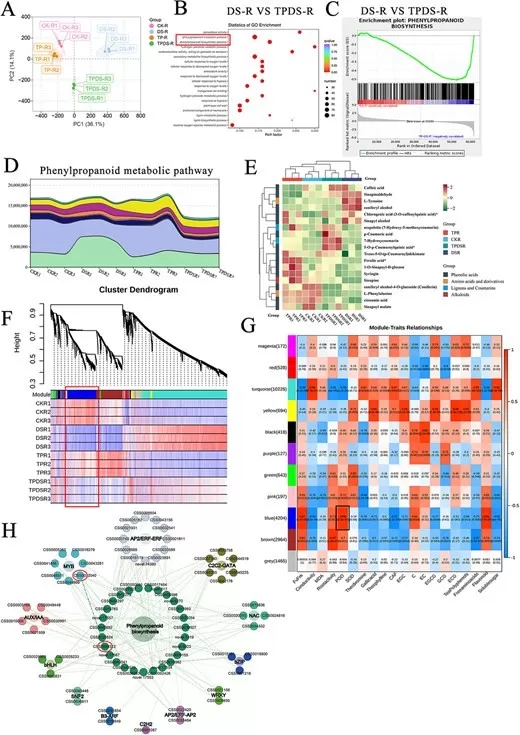
Figure 1. Transcriptome and Metabolome Analysis of Tea Roots Under Drought Stress. Image reproduced from Xu et al. (2025), Horticulture Research.
This case shows how transcriptomics and metabolomics can connect drought tolerance with both regulatory genes and biochemical defense. RNA-seq helped prioritize CsMYB77 and CsPOD44, while metabolomics linked drought-resistant root responses with tea polyphenol accumulation and phenylpropanoid metabolism.
Heavy Metal and Phytotoxic Stress: From Antioxidant Defense to Detoxification Pathways
Heavy metal and phytotoxic stress studies often need both gene-expression and biochemical evidence. A plant exposed to lead, cadmium, or a pharmaceutical contaminant may respond through oxidative stress pathways, metal transport, cell wall fixation, vacuolar compartmentalization, detoxification, photosynthesis changes, and secondary metabolism. These responses are difficult to interpret from phenotype or RNA-seq alone.
In tobacco, Du et al. reported that astaxanthin biofortification enhanced tolerance to lead stress by strengthening antioxidant defense, reducing Pb uptake and accumulation, and modulating detoxification-related pathways (Du et al., 2026).
In sorghum roots, Jiao et al. identified 2,683 differentially expressed genes and 160 differential metabolites under cadmium stress. Integrated transcriptome and metabolome analysis showed that flavonoid biosynthesis was a key part of the cadmium response, connecting gene-level regulation with metabolite-level defense chemistry (Jiao et al., 2023).
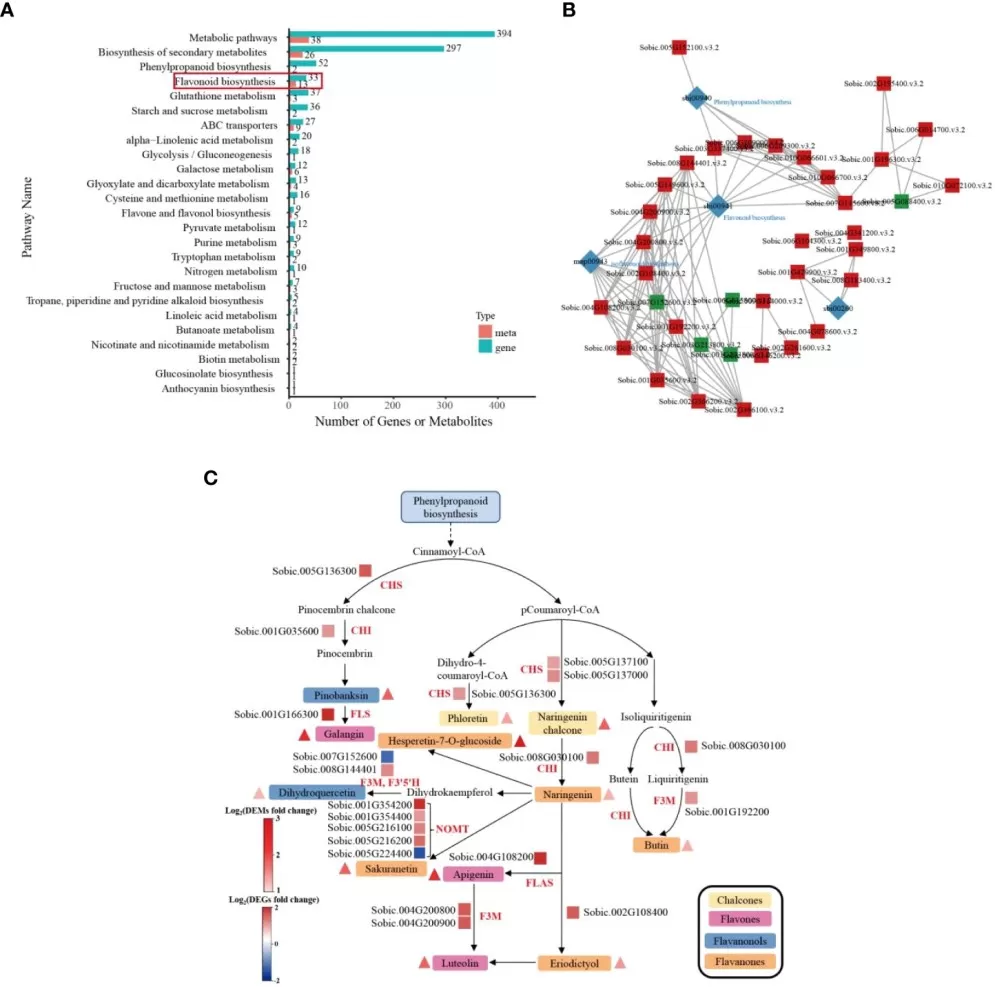
Figure 2. Integrated Transcriptome and Metabolome Analysis of Sorghum Roots Under Cadmium Stress. Image reproduced from Jiao et al. (2023), Frontiers in Plant Science.
This case illustrates why metabolomics is necessary in heavy metal stress studies. RNA-seq can identify transporters, antioxidant genes, and pathway-level regulation, but metabolomics helps confirm whether detoxification-related compounds, flavonoids, and antioxidant metabolites actually change under stress.
In tomato, Lu et al. used mass spectrometry imaging and multi-omics analysis to study spatially heterogeneous phytotoxic mechanisms induced by carbamazepine exposure (Lu et al., 2024). This example extends the same logic to tissue-level chemical stress, where spatial and multi-omics readouts can help reveal where stress responses occur within plant tissues.
How MetwareBio Supports Plant Stress Transcriptomics and Metabolomics Research
For plant stress projects, MetwareBio supports plant RNA-seq, widely targeted metabolomics, targeted metabolomics, plant hormone profiling, and integrated multi-omics interpretation. The current plant transcriptomics promotion includes RNA extraction, library preparation, sequencing, and data analysis for plant samples at $99/sample, with 6 Gb data on the MGI platform.
RNA-seq is a practical starting point for screening stress-responsive genes. Metabolomics can be added when the project needs biochemical evidence for antioxidants, flavonoids, plant hormones, detoxification pathways, osmotic adjustment, or other stress-related metabolites. If you are interested in plant stress research, please do not hesitate to contact us.
Selected MetwareBio-supported publications in plant stress research
Additional published examples include sugarcane drought stress and rubber tree cold stress studies based on integrated transcriptome and metabolome profiling (Yang et al., 2023; Mao et al., 2023).
| Literature title | Year | Sample or species | Stress area |
|---|---|---|---|
| The miR156b-GmSPL2b module mediates male fertility regulation of cytoplasmic male sterility-based restorer line under high-temperature stress in soybean | 2023 | Soybean flower buds | Heat stress / reproductive resilience |
| Tea polyphenol mediated CsMYB77 regulation of CsPOD44 to promote tea plant root drought resistance | 2025 | Tea plant roots | Drought stress / root response |
| Astaxanthin biofortification enhances tobacco tolerance to lead stress through boosting antioxidant defense, reducing Pb accumulation, and modulating detoxification pathways | 2026 | Tobacco | Lead stress / heavy metal detoxification |
| Integration of transcriptome and metabolome analyses reveals sorghum roots responding to cadmium stress through regulation of the flavonoid biosynthesis pathway | 2023 | Sorghum roots | Cadmium stress / flavonoid pathway |
| Global Responses of Autopolyploid Sugarcane Badila to Drought Stress Based on Comparative Transcriptome and Metabolome Profiling | 2023 | Sugarcane leaves | Drought stress / global response |
| Transcriptomics integrated with widely targeted metabolomics reveals the cold resistance mechanism in Hevea brasiliensis | 2023 | Hevea brasiliensis leaves | Cold stress / resistance mechanism |
| Unmasking Spatial Heterogeneity in Phytotoxicology Mechanisms Induced by Carbamazepine by Mass Spectrometry Imaging and Multiomics Analyses | 2024 | Tomato leaves | Phytotoxicology / chemical stress |
FAQ on Plant Transcriptomics and Metabolomics for Stress Research
Q1. What is crop stress resilience?
Crop stress resilience refers to a plant’s ability to maintain growth, survival, reproduction, yield, or quality under environmental stress. Common stress types include drought, heat, cold, salinity, heavy metal exposure, and chemical stress. In research, resilience is often evaluated through phenotype, physiology, gene expression, and metabolite changes.
Q2. How does RNA-seq help study plant stress response?
RNA-seq helps identify genes and pathways that change under stress. In plant stress research, it can detect transcription factors, hormone signaling genes, antioxidant enzyme genes, transporters, heat shock proteins, and pathway-level expression changes across tissues, treatments, cultivars, or time points.
Q3. Why combine transcriptomics and metabolomics in plant stress studies?
Transcriptomics shows which genes are regulated, while metabolomics shows which biochemical compounds change. Combining both layers helps connect gene regulation with stress adaptation mechanisms such as antioxidant defense, flavonoid biosynthesis, osmotic adjustment, plant hormone signaling, and detoxification.
Q4. What metabolites are commonly involved in plant stress response?
Common stress-related metabolites include amino acids, sugars, organic acids, flavonoids, phenolics, antioxidants, lipids, and plant hormones such as ABA, JA, and SA. The most relevant metabolite class depends on the stress type, tissue, crop species, and sampling time.
Q5. Can I start with RNA-seq first and add metabolomics later?
Yes. RNA-seq is a practical first layer for identifying stress-responsive genes and pathways. Metabolomics can be added when the project needs biochemical evidence for antioxidants, flavonoids, hormones, osmolytes, detoxification-related metabolites, or other compounds linked to stress tolerance.
Q6. Which plant tissue should I use for stress RNA-seq?
The best tissue depends on the stress and research question. Leaves are common for photosynthesis, heat, cold, and oxidative stress; roots are important for drought, salinity, heavy metal, and nutrient stress; reproductive tissues are useful for fertility-related stress studies.
Q7. When should plant stress studies add metabolomics after RNA-seq?
Metabolomics is most useful when RNA-seq suggests changes in hormone signaling, antioxidant defense, osmotic adjustment, flavonoid biosynthesis, lipid remodeling, or detoxification pathways. It helps test whether transcript-level changes are reflected in measurable biochemical responses.
Conclusion
Plant stress resilience research becomes stronger when gene expression, metabolites, physiology, and phenotype are interpreted together. Plant RNA-seq can identify stress-responsive genes and candidate pathways, while metabolomics reveals whether antioxidants, flavonoids, amino acids, sugars, organic acids, hormones, or detoxification-related metabolites change in the expected direction. For researchers starting a new plant stress project, RNA-seq provides an accessible first layer that can later be expanded into a multi-omics design when biochemical evidence is needed.
Read More: Tools and Strategies for Plant Stress Multi-Omics Research
These articles provide deeper context on transcriptomics services, metabolomics platforms, hormone profiling, and multi-omics integration methods that support plant stress resilience research.
Start with RNA-seq to identify stress-responsive genes, transcription factors, and pathway modules. This service covers library preparation, sequencing depth, and bioinformatics analysis for plant stress studies.
Choose the right metabolomics approach for measuring antioxidants, flavonoids, osmolytes, and stress-related metabolites. This guide explains the trade-offs between targeted, untargeted, and widely-targeted methods.
Plant hormones such as ABA, JA, and SA play central roles in stress signaling. This article covers hormone classification, biosynthesis, and signaling mechanisms relevant to drought, heat, cold, and salinity stress research.
Plant proteomics adds a protein-level evidence layer to stress research. This article covers protein extraction methods for different plant tissues, which is essential for integrating proteomics with transcriptomics and metabolomics.
Three-layer multi-omics integration connects stress-responsive gene expression with protein abundance and metabolite accumulation. This service page explains how MetwareBio integrates data across omics layers for stress research.
Spatial metabolomics reveals where stress responses occur within plant tissues. This is particularly valuable for heavy metal and phytotoxic stress studies where tissue-level heterogeneity matters for interpretation.
References
- Ćavar Zeljković S, Saeed F, Šamec D, Chaudhry UK. 2026. Methodological Advances in Transcriptomics and Metabolomics for Assessing Crop Stress Resilience. Physiologia Plantarum. 178:e70717. doi:10.1111/ppl.70717.
- Xu Y, Fu X. 2022. Reprogramming of Plant Central Metabolism in Response to Abiotic Stresses: A Metabolomics View. International Journal of Molecular Sciences. 23(10):5716. doi:10.3390/ijms23105716.
- Ding X, Guo J, Lv M, Wang H, Sheng Y, Liu Y, Gai J, Yang S. 2023. The miR156b-GmSPL2b module mediates male fertility regulation of cytoplasmic male sterility-based restorer line under high-temperature stress in soybean. Plant Biotechnology Journal. 21:1542-1559. doi:10.1111/pbi.14056.
- Xu R, Shao C, Luo Y, Zhou B, Zhu Q, Qiu S, Liu Z, Liu S, Shen C. 2025. Tea polyphenol mediated CsMYB77 regulation of CsPOD44 to promote tea plant root drought resistance. Horticulture Research. 12(6):uhaf048. doi:10.1093/hr/uhaf048.
- Du Z, Liang M, Wang X, Liu Y, Du S, Shi D, Sun Y, Ji C, Zhang C, Cui H, Li R, Xue J. 2026. Astaxanthin biofortification enhances tobacco tolerance to lead stress through boosting antioxidant defense, reducing Pb accumulation, and modulating detoxification pathways. Journal of Advanced Research. 82:189-211. doi:10.1016/j.jare.2025.07.038.
- Jiao Z, Shi Y, Wang J, Wang Z, Zhang X, Jia X, Du Q, Niu J, Liu B, Du R, Ji G, Cao J, Lv P. 2023. Integration of transcriptome and metabolome analyses reveals sorghum roots responding to cadmium stress through regulation of the flavonoid biosynthesis pathway. Frontiers in Plant Science. 14:1144265. doi:10.3389/fpls.2023.1144265.
- Yang S, Chu N, Feng N, Zhou B, Zhou H, Deng Z, Shen X, Zheng D. 2023. Global Responses of Autopolyploid Sugarcane Badila (Saccharum officinarum L.) to Drought Stress Based on Comparative Transcriptome and Metabolome Profiling. International Journal of Molecular Sciences. 24(4):3856. doi:10.3390/ijms24043856.
- Mao C, Li L, Yang T, Gui M, Li X, Zhang F, Zhao Q, Wu Y. 2023. Transcriptomics integrated with widely targeted metabolomics reveals the cold resistance mechanism in Hevea brasiliensis. Frontiers in Plant Science. 13:1092411. doi:10.3389/fpls.2022.1092411.
- Lu ZY, Liu CY, Hu YY, Pan Y, Yuan L, Wu LT, Qi KK, Zhang Z, Zhou JC, Zhao JH, Hu Y, Yin H, Sheng GP. 2024. Unmasking Spatial Heterogeneity in Phytotoxicology Mechanisms Induced by Carbamazepine by Mass Spectrometry Imaging and Multiomics Analyses. Environmental Science & Technology. 58(31):13986-13994. doi:10.1021/acs.est.4c04628.